
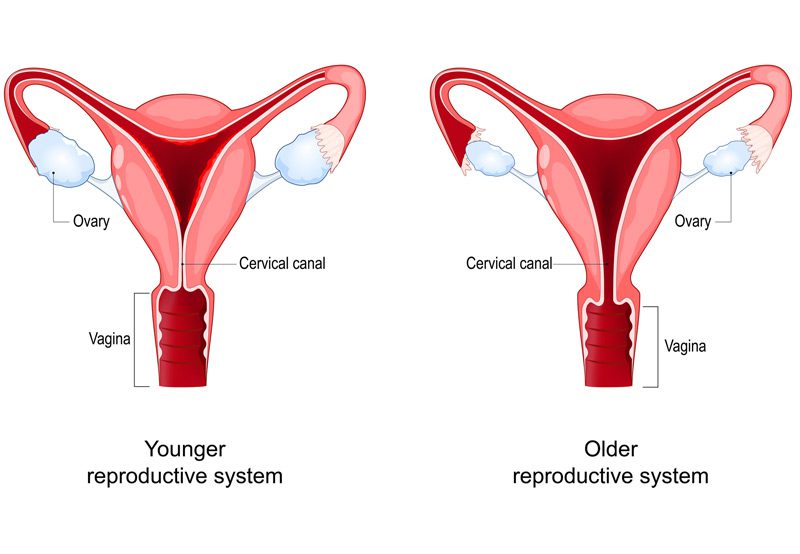

Bulking agent injections, also known as injectable fillers, are primarily used to restore volume to the vaginal walls, particularly in cases of vaginal atrophy and dryness due to menopause. These injections can help improve vaginal tone, elasticity, and moisture, addressing common menopause-related symptoms and improving overall sexual health and comfort.
How Bulking Agent Injections Help with Menopause-Related Conditions
- Vaginal Dryness and Atrophy: As estrogen levels decline during menopause, the vaginal tissues often become thinner, drier, and less elastic. Bulking agent injections provide a non-surgical option to restore volume to the vaginal walls, enhancing lubrication and elasticity. This treatment can significantly improve vaginal dryness, discomfort during intercourse, and vaginal atrophy, all of which are common in postmenopausal women.
- Genitourinary Syndrome of Menopause (GSM): GSM refers to a collection of symptoms related to vaginal and urinary tract health, including vaginal dryness, urinary incontinence, and sexual discomfort. Bulking agent injections can improve the structural integrity of the vaginal walls, addressing the discomfort caused by vaginal atrophy and helping to alleviate symptoms associated with GSM. By restoring volume and moisture, this treatment helps to improve vaginal health and may reduce urinary incontinence as well.
- Urinary Incontinence: Bulking agent injections can also be helpful in treating mild to moderate stress urinary incontinence, a common issue during and after menopause. By injecting a bulking agent into the urethral tissue, these treatments can improve bladder control and reduce the leakage of urine during physical activities, sneezing, or coughing.

Next Steps
If you are experiencing vaginal dryness, discomfort during intercourse, or urinary incontinence as part of your menopause symptoms, consult with a healthcare provider specializing in menopause care. Bulking agent injections may offer a non-invasive, effective solution for restoring vaginal health and addressing related symptoms. A healthcare provider can help determine if this treatment is appropriate for your specific needs and discuss other available options to support your overall well-being during menopause.