
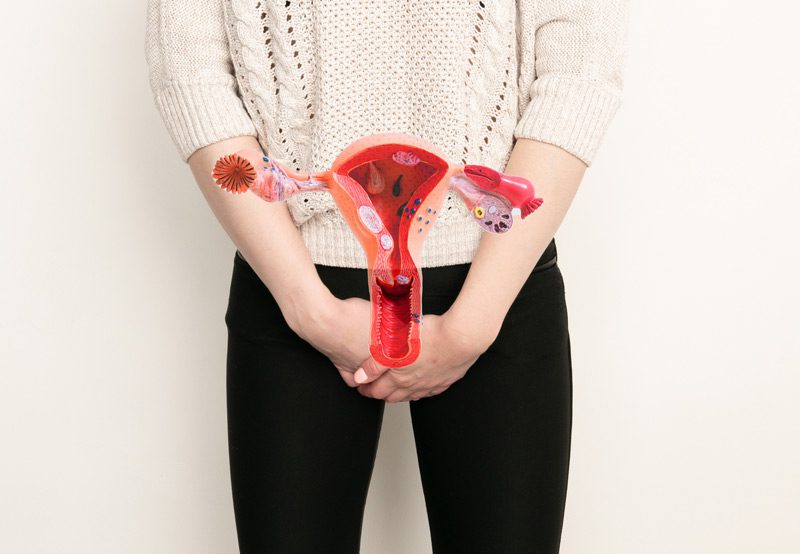
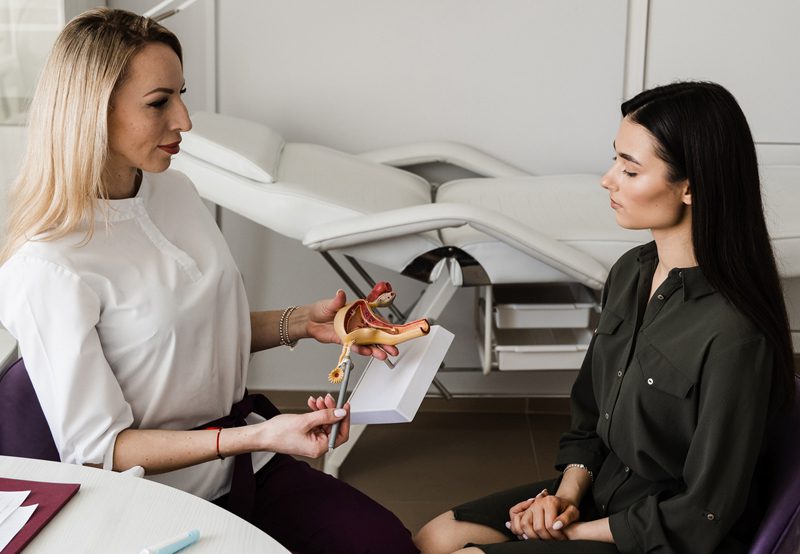
Dyspareunia (pain during intercourse) and vaginismus (involuntary muscle tightening that prevents penetration) can make sexual activity uncomfortable or impossible. Symptoms of dyspareunia include sharp, burning, or aching pain during or after penetration, while vaginismus causes involuntary spasms of the vaginal muscles, making penetration difficult or painful. These conditions can lead to distress, reduced sexual desire, and relationship strain.
Causes of Dyspareunia and Vaginismus
These conditions can result from many different factors, including:
- Hormonal Changes: Low estrogen due to menopause, postpartum recovery, or birth control use can cause vaginal dryness and thinning of tissues.
- Pelvic Floor Dysfunction: Muscle tightness, spasms, or weakness can contribute to pain and penetration difficulties.
- Infections and Irritation: Chronic yeast infections, bacterial vaginosis, urinary tract infections, or skin conditions like lichen sclerosus can cause inflammation and discomfort.
- Nerve and Structural Issues: Endometriosis, pelvic inflammatory disease (PID), interstitial cystitis, fibroids, or scar tissue from surgery can contribute to pain.
- Psychological and Emotional Factors: Anxiety, fear, past trauma, or negative sexual experiences can create a cycle of pain and muscle tension.

Diagnosis
Evaluation for these conditions includes:
- Medical History: Reviewing symptoms, hormonal health, medications, and past medical conditions.
- Pelvic Exam: Checking for signs of infection, skin conditions, or muscle tension.
- Pelvic Floor Assessment: Identifying muscle tightness, weakness, or abnormal reflexes.
- Imaging: A vaginal ultrasound can be used to determine underlying conditions causing pain, such as endometriosis.
Treatment Options
Treatment depends on the underlying cause and may include:
- Hormone Therapy: Using topical or systemic estrogen can improve vaginal tissue health and lubrication.
- Pelvic Floor Physical Therapy: Learning relaxation techniques, biofeedback, and muscle retraining can reduce tension and improve comfort.
- Trigger Point Injections: Pelvic floor trigger point injections can help to provide pain relief.
- Vaginal Dilators: Gradual use of medical-grade dilators can help desensitize the vaginal muscles and improve penetration tolerance.
- Topical and Oral Medications: Using numbing creams, muscle relaxants, or localized pain treatments can ease discomfort.
Next Steps
Dyspareunia and vaginismus are treatable conditions. Identifying the cause and starting the right treatment plan can restore comfort and confidence in intimacy.