


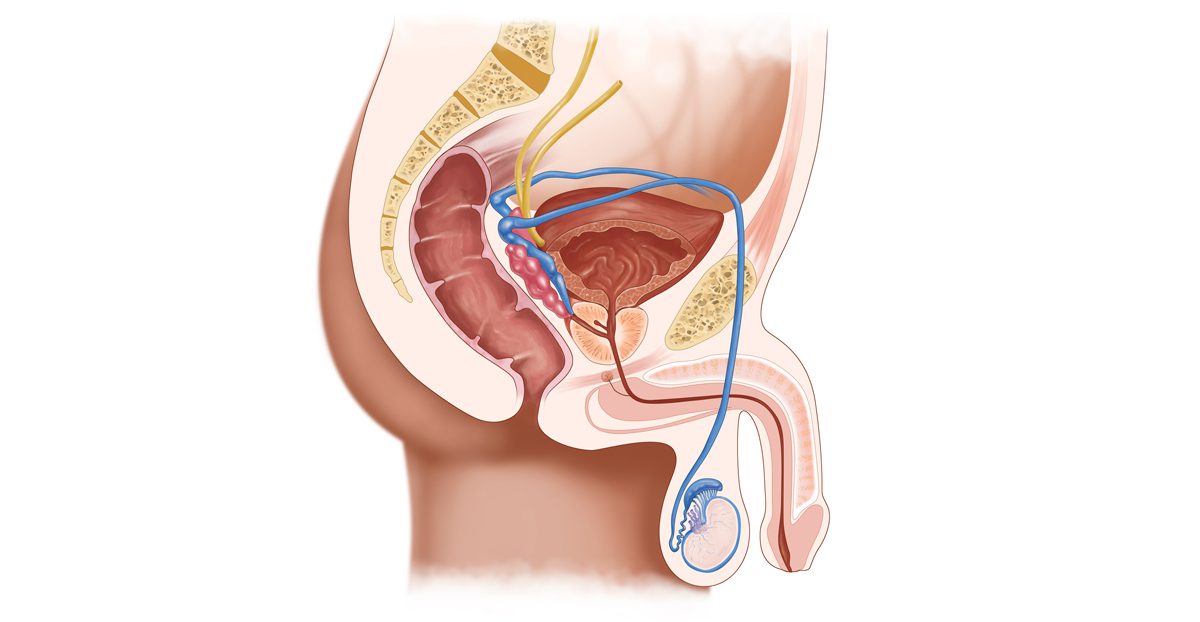
Vasectomy reversal is a surgical procedure designed to restore male fertility after a vasectomy. During a vasectomy, the vas deferens (the tubes responsible for carrying sperm from the testicles to the urethra) are cut or sealed to prevent sperm from being released during ejaculation. Vasectomy reversal reconnects these tubes, allowing sperm to flow once again, thereby restoring the potential for natural conception.
About Vasectomy Reversal
Vasectomy reversal, performed as either a vasovasostomy or vasoepididymostomy, works to restore the normal sperm flow by reconnecting the vas deferens. The procedure can potentially restore fertility by allowing sperm to once again be released during ejaculation, thereby improving sperm count and increasing the chances of conception.
Success rates for vasectomy reversal depend on various factors, including the length of time since the vasectomy and the health of the male reproductive system. Generally, the sooner the reversal is performed after the vasectomy, the higher the chances of success. Many men achieve pregnancy following vasectomy reversal, and the procedure is often an effective solution for couples seeking to restore fertility after a vasectomy.
For men considering vasectomy reversal, it may also be a good idea to consider sperm banking prior to the procedure, particularly if there are any concerns about the success of the reversal or future fertility. Sperm banking offers a safeguard in case the reversal does not restore fertility, providing a viable option for future conception through assisted reproductive technologies like in vitro fertilization (IVF).
Next Steps
If you are considering vasectomy reversal, the first step is to consult with a specialist in male fertility. A thorough evaluation, including semen analysis, will help assess your fertility potential and determine if you are a good candidate for the procedure. Success rates vary based on individual factors, so it’s important to have a clear understanding of your chances and any potential risks involved in the surgery.