
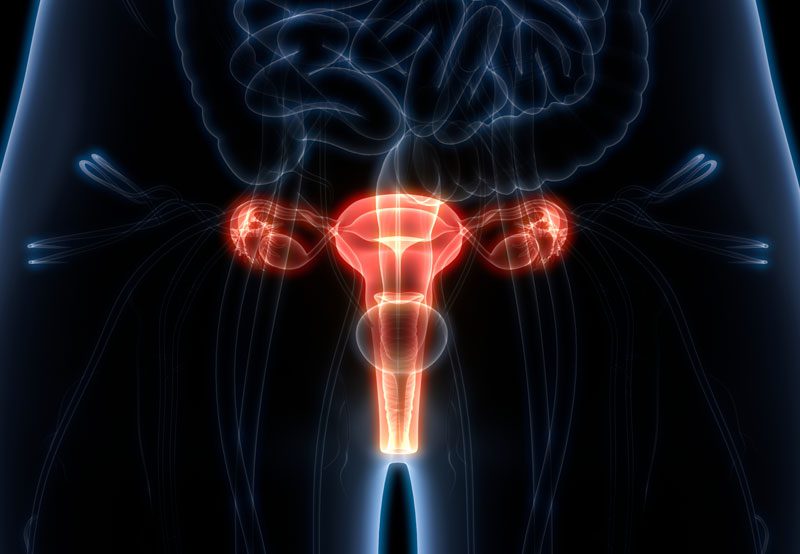

A female urology specialist in Irvine provides expert evaluation and treatment for disorders of the female urinary tract and pelvic floor. These specialists manage a wide range of conditions including urinary incontinence, recurrent urinary tract infections, bladder dysfunction, and pelvic organ prolapse. With training that combines urologic expertise and women’s health, a female urology specialist in Irvine delivers evidence-based care designed to improve daily function and long-term wellbeing.
Many women seek consultation when urinary symptoms become disruptive or worrisome. Incontinence with coughing, laughing, or exercise often points to stress incontinence. Sudden urges to urinate and frequency may indicate overactive bladder. Recurrent urinary tract infections can cause pain, urgency, and kidney complications if untreated. Pelvic organ prolapse may present as pressure, discomfort, or a visible bulge. Other concerns addressed by a female urology specialist in Irvine include blood in the urine, chronic pelvic pain, and difficulty fully emptying the bladder.

The causes of female urologic conditions vary and often overlap. Childbirth can weaken pelvic muscles, leading to incontinence or prolapse. Hormonal changes associated with menopause may alter bladder control and increase susceptibility to infection. Neurological conditions such as multiple sclerosis or spinal cord injury can disrupt bladder and pelvic floor function. Chronic illnesses including diabetes and obesity further contribute to urinary dysfunction. Structural abnormalities, such as urethral diverticula or congenital malformations, may complicate urinary health. A female urology specialist in Irvine evaluates all potential contributing factors to provide a thorough and accurate diagnosis.
Diagnosis requires careful assessment supported by advanced testing. Laboratory studies identify infections or evaluate kidney function. Imaging techniques such as ultrasound, CT, or MRI reveal stones, tumors, or structural issues. Cystoscopy provides direct visualization of the bladder and urethra. Urodynamic studies assess bladder capacity, pressure, and muscle activity to clarify causes of incontinence or retention. Using these diagnostic tools, a female urology specialist in Irvine ensures accurate identification of conditions and appropriate treatment planning.
Treatment options are customized to each patient’s needs. Medications may be used to manage bladder overactivity, reduce infection recurrence, or improve tissue health. Minimally invasive procedures such as sling surgery or urethral bulking injections are common solutions for stress incontinence. Surgical reconstruction may be required for advanced pelvic organ prolapse. Women with recurrent infections may benefit from low-dose antibiotics, vaginal estrogen therapy, or preventive lifestyle strategies. Pelvic floor rehabilitation, often guided by physical therapists, strengthens muscles and reduces symptoms. A female urology specialist in Irvine integrates these therapies to deliver comprehensive care.
Preventive and long-term management strategies are also critical. Patients with chronic bladder dysfunction or recurrent infections benefit from ongoing monitoring. Education on hydration, dietary adjustments, and bladder retraining helps reduce recurrence and improve quality of life. Regular follow-up for prolapse or incontinence ensures that progression is detected early and managed appropriately. Preventive screening for hematuria and kidney function helps identify more serious conditions at an early stage.