

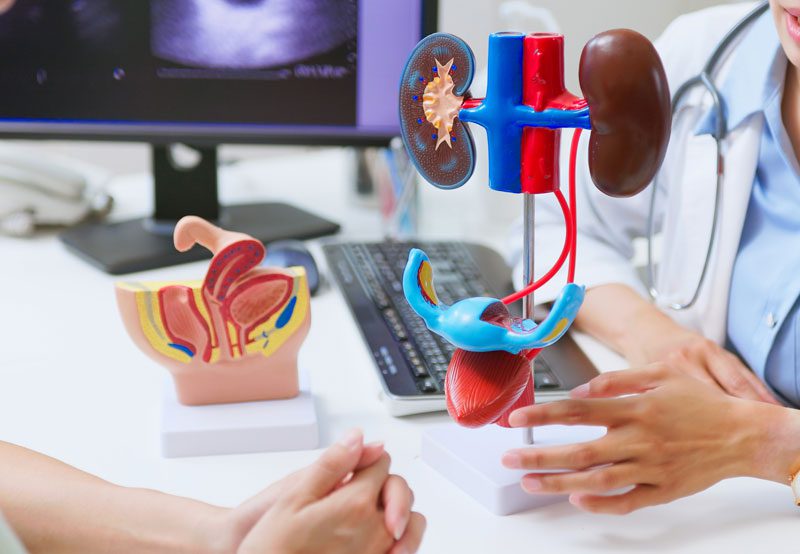
A female urology specialist in Orange County provides advanced diagnosis and treatment for conditions affecting the female urinary tract and pelvic floor. These specialists treat issues such as urinary incontinence, recurrent urinary tract infections, bladder dysfunction, and pelvic organ prolapse. By combining urologic expertise with a focus on women’s health, a female urology specialist in Orange County delivers comprehensive and evidence-based care for conditions that often impact quality of life.
Women frequently seek consultation when urinary or pelvic symptoms interfere with daily activities. Urine leakage during exercise, laughing, or coughing may indicate stress incontinence. Urgency with frequent urination is often linked to overactive bladder. Recurrent urinary tract infections can cause chronic pain, frequent trips to the restroom, and kidney complications if untreated. Pelvic organ prolapse may present as a bulge or a sensation of heaviness in the pelvis. Additional concerns such as blood in the urine, chronic pelvic pain, or voiding difficulties are also addressed by a female urology specialist in Orange County.
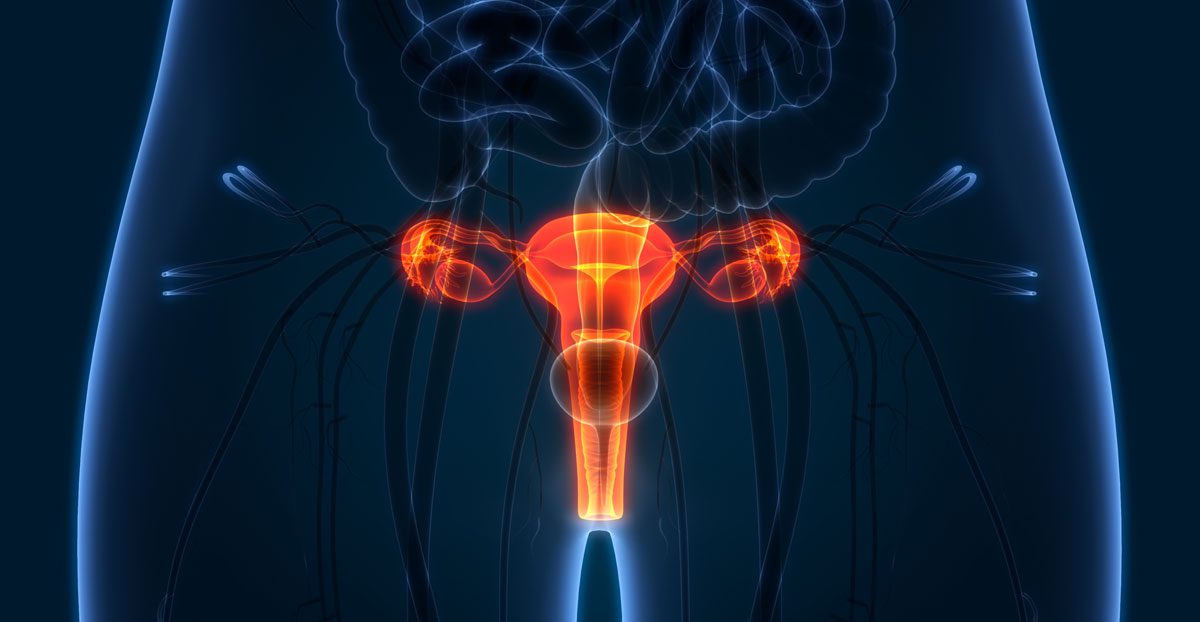
The causes of female urologic problems are varied and may overlap. Childbirth can weaken pelvic floor muscles, leading to incontinence or prolapse. Hormonal changes during menopause often affect bladder control and increase infection risk. Neurological conditions such as multiple sclerosis or spinal cord injury may disrupt bladder function. Chronic illnesses like diabetes and obesity contribute to higher rates of urinary tract disorders. Structural abnormalities, including urethral diverticula or congenital anomalies, can further complicate urinary function. A female urology specialist in Orange County evaluates these contributing factors to create an accurate and personalized treatment plan.
Diagnosis requires careful history-taking, physical examination, and specialized testing. Laboratory studies help identify infections or assess kidney function. Imaging techniques, including ultrasound, CT, or MRI, provide detailed views of the urinary system and pelvic organs. Cystoscopy allows direct inspection of the bladder and urethra, while urodynamic studies measure bladder capacity, pressure, and muscle function. These diagnostic methods enable a female urology specialist in Orange County to determine the exact cause of symptoms and select the most effective treatment options.
Treatment strategies are designed to match the severity and type of condition. Medications may calm bladder overactivity, reduce infection recurrence, or improve tissue health. Minimally invasive procedures such as urethral bulking injections or sling surgery are effective for incontinence. Reconstructive procedures may be recommended for pelvic organ prolapse to restore pelvic support. For women with recurrent infections, preventive measures may include low-dose antibiotics, estrogen therapy, or lifestyle changes. Pelvic floor therapy guided by rehabilitation specialists is often a cornerstone of treatment, strengthening muscles and reducing symptoms.
The work of a female urology specialist in Orange County extends beyond symptom relief to include prevention and long-term care. Ongoing monitoring helps detect early signs of worsening conditions and ensures timely adjustments to treatment plans. Patient education on hydration, bladder retraining, and pelvic floor exercises supports long-term success. Preventive screening for hematuria and kidney health helps identify more serious problems before they progress. Comprehensive care combines intervention, prevention, and education to improve both health outcomes and daily quality of life.
A female urology specialist in Orange County provides specialized expertise to address conditions that directly impact women’s health and wellbeing. By delivering accurate diagnosis, individualized treatment, and preventive care, these specialists improve function, reduce symptoms, and restore confidence for women managing urologic conditions. Their approach is rooted in medical evidence and guided by a commitment to long-term health.