


A male urology specialist in Orange County provides advanced evaluation and treatment for conditions affecting the male urinary tract and reproductive system. These specialists manage a wide range of issues, including prostate disease, kidney disorders, infertility, and sexual health concerns. With training grounded in evidence-based medicine, a male urology specialist in Orange County applies advanced diagnostic methods and treatment options to address both routine and complex urologic conditions.
Many patients seek consultation with a male urology specialist in Orange County when they experience symptoms that interfere with daily life. Difficulty initiating urination, weak urine flow, or frequent nighttime trips to the bathroom may indicate prostate enlargement or bladder dysfunction. Blood in the urine or semen can signal infection, stones, or malignancy. Pain in the lower abdomen, testicles, or back may point to kidney stones or infection. Concerns such as erectile dysfunction, low testosterone, and infertility are also central to the work of a male urology specialist in Orange County. Prompt evaluation of these symptoms is important to prevent complications and improve outcomes.
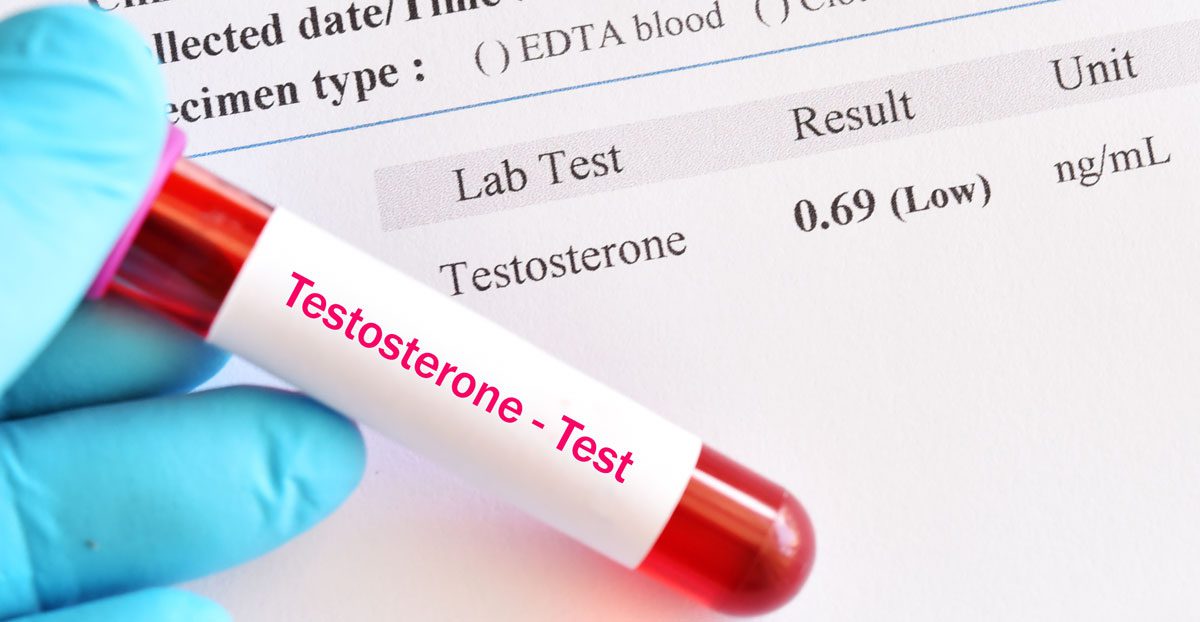
Urologic conditions often have diverse causes, making thorough evaluation essential. Prostate enlargement or cancer may obstruct urinary flow, while urinary tract infections can spread to the kidneys if untreated. Kidney and bladder stones result from metabolic imbalances or inadequate hydration, producing severe pain and risk of infection. Hormonal imbalances such as low testosterone contribute to fatigue, reduced libido, and sexual dysfunction. Structural abnormalities like urethral strictures or varicoceles may compromise fertility or urinary function. A male urology specialist in Orange County considers all potential causes when developing a management plan.
Diagnosis typically involves a combination of clinical assessment and specialized testing. Laboratory evaluations may detect infections, hormonal deficiencies, or impaired kidney function. Imaging studies such as ultrasound, CT, or MRI identify stones, tumors, or obstructions. Cystoscopy allows direct visualization of the bladder and urethra for structural problems. In cases of infertility, semen analysis and advanced testing provide critical insights into sperm health. By integrating physical examination, laboratory data, and imaging findings, a male urology specialist in Orange County delivers accurate diagnoses that guide effective treatment.
Treatment plans are tailored to the individual and condition. Medications may address prostate enlargement, correct hormonal imbalances, or resolve infections. Minimally invasive procedures such as laser therapy for kidney stones or transurethral resection for enlarged prostate tissue provide relief with shorter recovery times. Surgical expertise includes procedures like varicocele repair, vasectomy reversal, and placement of penile prostheses. For infertility, sperm retrieval and collaboration with reproductive medicine specialists may be recommended. Lifestyle modifications, including improved hydration, diet changes, and exercise, are often incorporated to support long-term health.
The responsibilities of a male urology specialist in Orange County extend beyond immediate treatment. Ongoing surveillance of conditions such as prostate enlargement or low testosterone ensures that disease progression is identified and addressed early. Patients with chronic kidney or bladder disease receive long-term management strategies to preserve organ function. Education on prevention, from reducing kidney stone risk to maintaining sexual health, is an integral part of comprehensive care.
A male urology specialist in Orange County delivers highly specialized expertise in managing male-specific urologic concerns. Through advanced diagnostics, individualized treatment strategies, and preventive care, these specialists play a critical role in protecting men’s urinary and reproductive health. Their evidence-based approach ensures patients receive care that is accurate, thorough, and responsive to both immediate needs and long-term wellbeing.